Christos Antoniou
“I am your typical Swiss watchmaker of AI: ETH-trained AI specialist, who sees patterns in pixels, extracts value from data and turns cutting-edge AI research into real-world scalable products”

By the
Numbers
76.77%
Cardiff University Bachelor’s Degree Final Grade
84%
Bachelor Thesis Final Grade with title “Deep in the video: Action recognition using deep learning on breakfast data”
5.02/6
ETH Zurich Master’s Degree Final Grade
5.75/6
Master Thesis Final Grade with title “Leveraging Geometry-aware GAN for fast supervised 3D reconstruction of human face depth and appearance from single-view images”
UKESF Electronics Ambassador
The aim of this project is to leverage geometry-aware GANs such as EG3D, to achieve 3D face depth and appearance reconstruction from single-view images. The project involves leveraging two regression tasks, to achieve 3D face reconstruction, as well as a new face dataset called “prosopo” (“face” in Greek) for evaluation of common baselines.
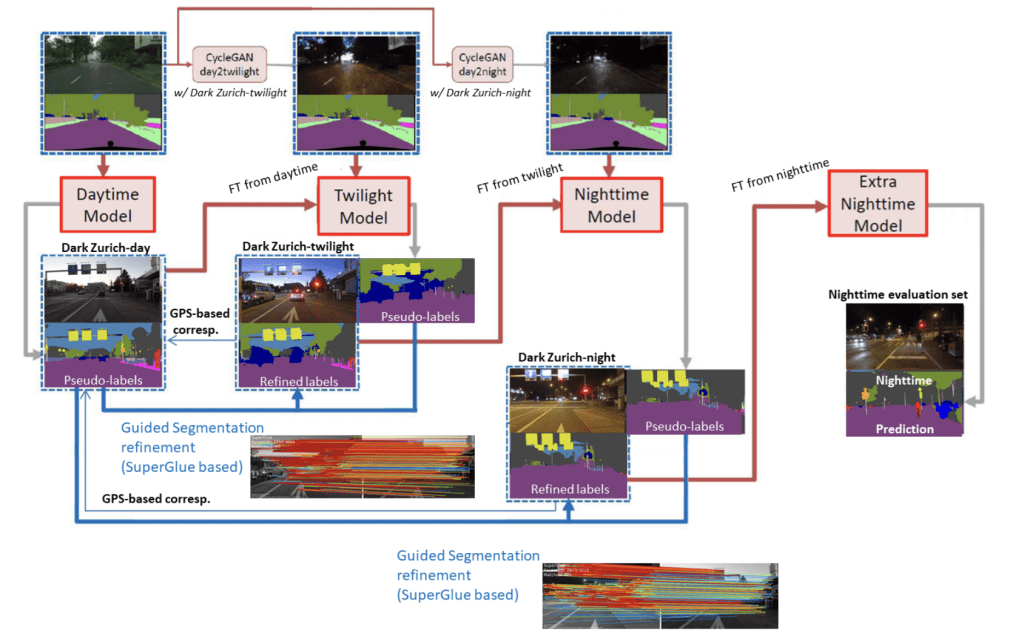
Semantic Segmentation of Nighttime Images from the Dark Zurich Dataset. Implementing a new method that aims to improve MGCDA, by implementing more sophisticated image correspondences via SuperGlue.
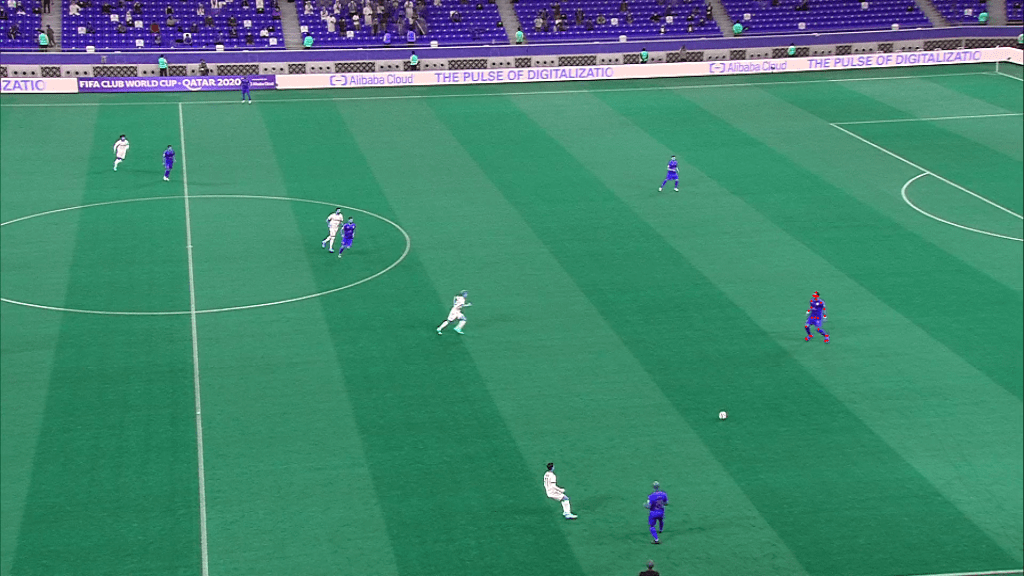
Project 3: Multi-view camera football player 3D pose estimation (FIFA)
3D Vision FIFA project
Estimate 3D football player pose estimation from multi-view cameras, to implement an automated offside system. The model uses SuperGlue for better correspondence matching between the different camera views.
Project 4: SaveMe – A token for Health
This is the development of a DApp to motivate diabetes patients to take care of their own health more regularly. CGM measurements from the patients wearable monitoring device are reported to the DApp and validated using IPFS on the Ethereum blockchain. To incentivize patients to self-regulate and intervene when glucose levels are outside the normal range, some form of reward is given to the patient. This comes in the form of a crypto-token called “SaveMe” built on top of the Ethereum Blockchain.
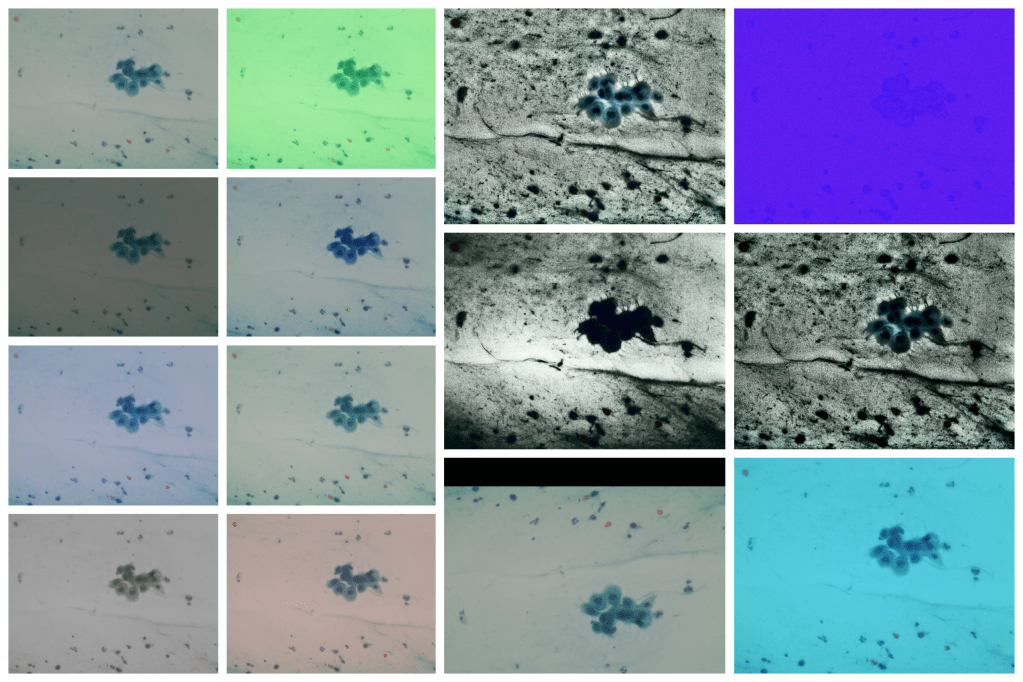
Project 5: Cervical cancer classification using Deep Learning
Deep Learning on Medical Applications
By analyzing microscopic images from pap smear results the deep learning framework achieves an unprecedented accuracy on categorizing the possible types of cells from the PAP results. A project heavily based on image categorical classification on the entire microscopic images from cervical smear cells (not cropped images of the cells). The deep learning framework developed is trained and tested on the newly published SIPAKMED dataset. The 5 classification categories of the cervical cells are (a) Superficial-Intermediate, (b) Parabasal, (c) Koilocytotic, (d) Dyskeratotic, (e) Metaplastic

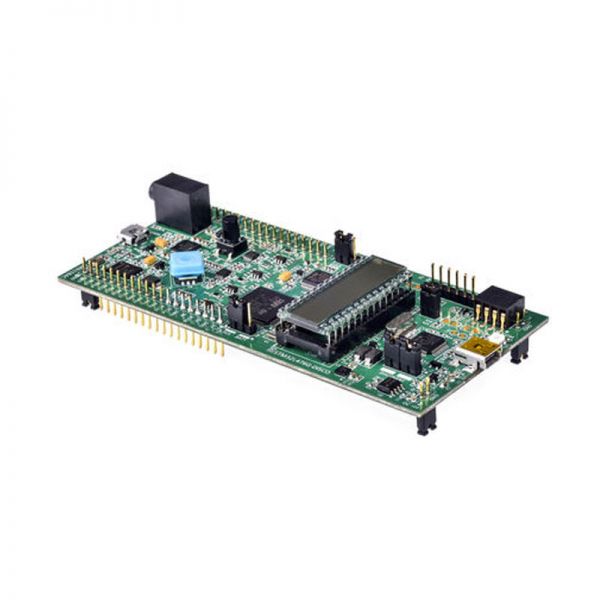
Project 6: Face Detection on ultra-low powered memory-constrained devices (edge)
Machine Learning on ULP Microcontrollers
This project implements the MTCNN pipeline in Keras in order to perform Face Detection. Then the extracted faces are fed into an SVM to further perform Criminal Identification. The final pipeline is deployable to a memory and battery constrained wearable device that is based on either a GAP 8 or ARM based processors (using TinyML). The protoype is based on the ARM Cortex M4 processor on the STM32L475VGX Microcontroller and is combined with a Himax Camera. Inference is performed directly on the edge device, whereas Cloud Processing can be used only for Data/Video Storage.

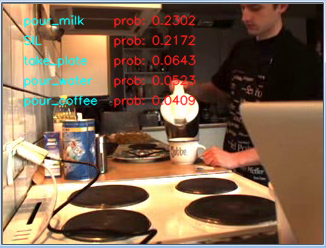
Project 7: Human Action recognition on Breakfast dataset using Deep Learning
Deep Learning on video for action recognition
Implementing the Breakfast Action dataset with the C3D model in pytorch to achieve an accuracy > 60%. This project involves the development of a deep learning human action recognition framework applied to a video dataset of humans carrying out breakfast activities.
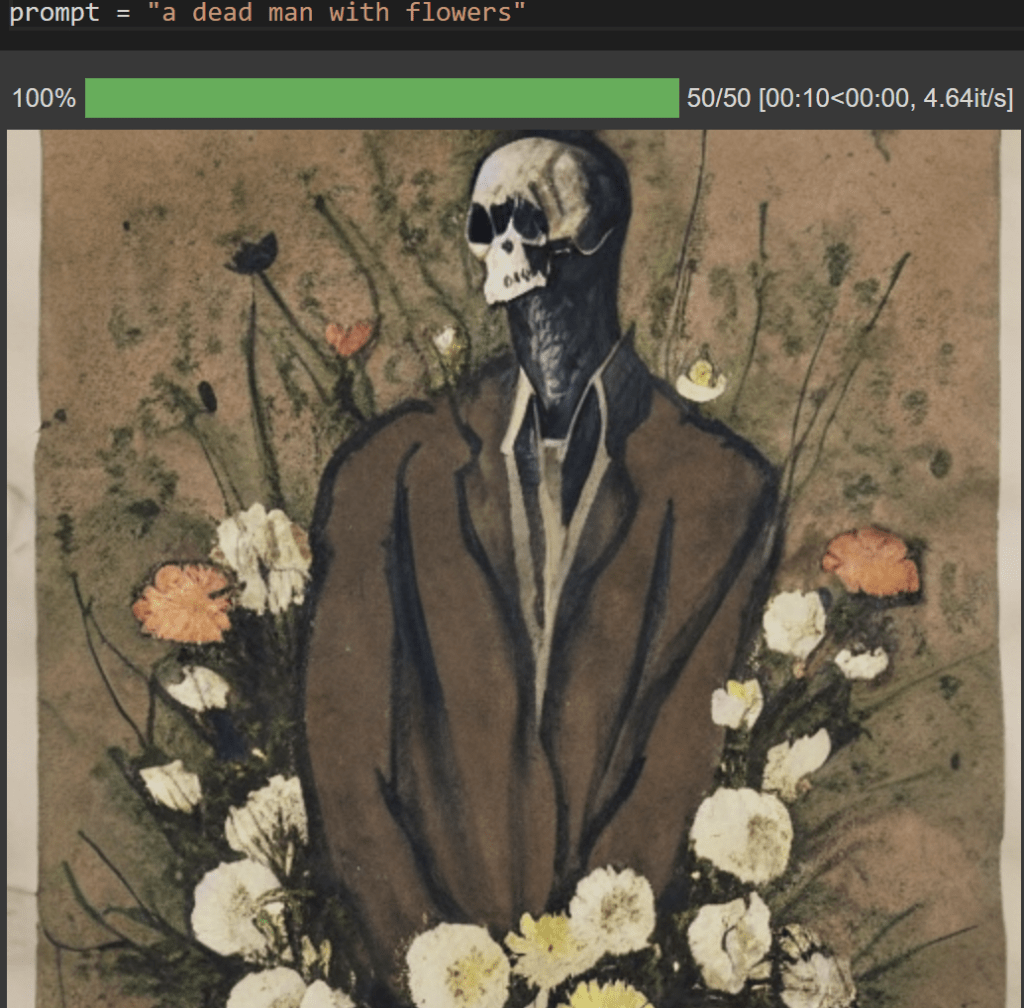
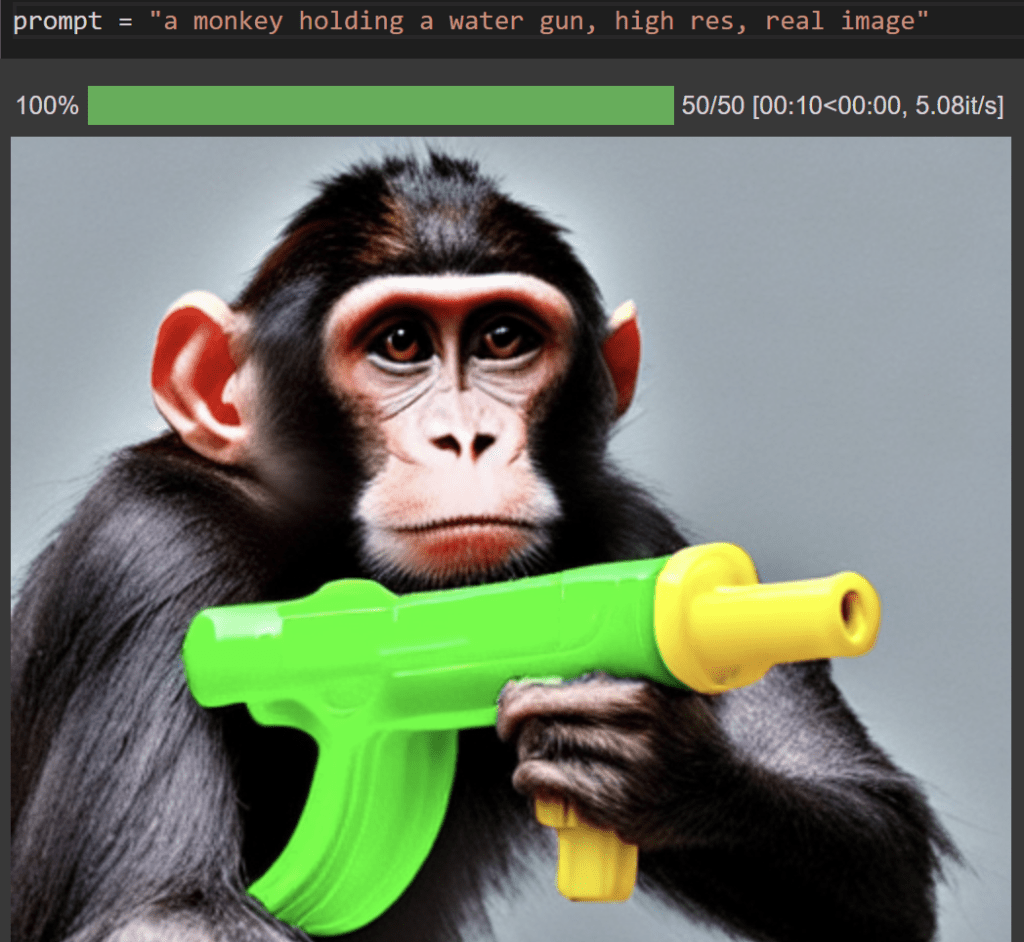
Project 8: Text-to-Image generation webapp
Image generation with Stable Diffusion
Fast image generation from text, without explicit content policy, using Stable Diffusion models. The web application is also hosted online using ngrok, directly on your google colab notebook.
Project 9: Color restoration of old black & white video
Deep Learning & GANs
An old black & white video footage of a historic football game from 1971, “finds its color” by implementing the DeOldify model. This color restoration technique leverages deep learning and specifically GAN training, to generate color for any black & white image or video.
Get in Touch :)
Zurich,
Switzerland
+44 79 439 39 104
+41 77 205 25 58
 Christos Antoniou